The World's Most Extraordinary Desert Stays
The world's great deserts cover a third of Earth's land surface — and within them, a small number of extraordinary camps have found a way to make sleeping in the most inhospitable places on the planet feel like the most luxurious thing you've ever done. These are the best of them.

Wadi Rum Bubble Camp
Transparent bubble domes set directly on the rust-red sand of the UNESCO-listed Wadi Rum desert — the Valley of the Moon — where you can watch the Milky Way arc overhead from your bed without stepping outside. Wadi Rum is not just one of the most beautiful deserts on Earth; it's one of the most filmed. The Martian, Star Wars: The Rise of Skywalker, Lawrence of Arabia and Dune all used this landscape as an alien world. Private dinners under the stars, 4x4 sunrise safaris and Bedouin hospitality make this far more than a novelty sleep.
Erg Chigaga Luxury Camp
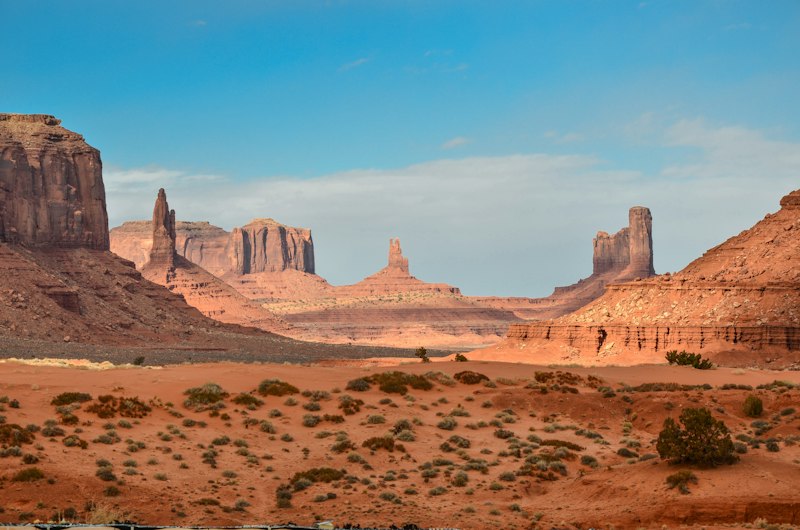
While most Sahara camps cluster near the tourist town of Merzouga, Erg Chigaga is the real thing: a remote dune sea 60 km from the nearest road, accessible only by 4x4 or camel. Fifteen tented suites with proper en-suite bathrooms and traditional Moroccan furnishings sit among dunes that rise to 300 metres. The camp includes camel trekking at sunrise, sandboarding down the dune faces, and campfire dinners under skies so dark the Milky Way casts a shadow. No electricity pylons. No villages. No light pollution. Just the Sahara.

Little Kulala
The Namib Desert is the world's oldest — 55 million years — and its dunes at Sossusvlei are among the tallest on Earth, with apricot and crimson colours that shift with the light. Little Kulala's 11 private canvas chalets each have a roof hatch that slides open to expose the bed to the night sky and the stars of the southern hemisphere. The camp is on a private concession adjoining the national park, giving guests exclusive dawn access to Deadvlei — the bleached white salt pan scattered with ancient dead camel thorn trees, one of the most photographed landscapes in Africa.
Longitude 131°
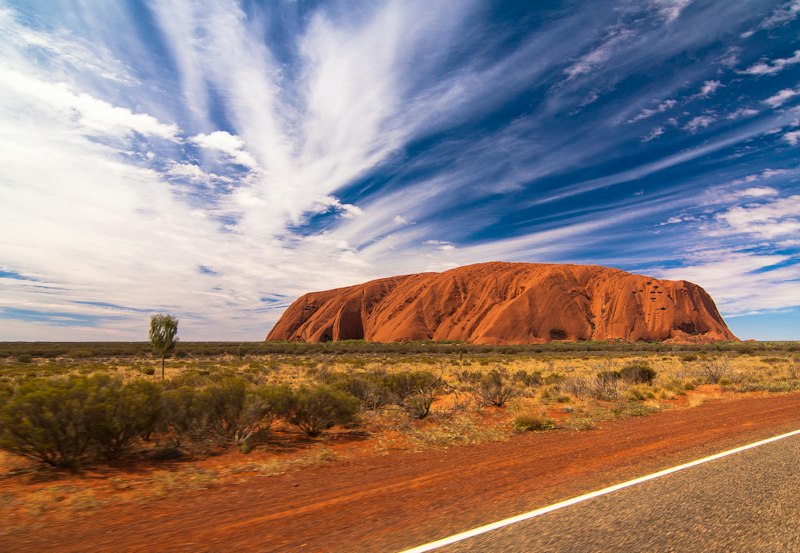
Australia's most iconic desert stay positions 15 luxury tented pavilions on a private red-earth ridge with Uluru — the sacred sandstone monolith of the Anangu people — filling the horizon from every room. As day turns to dusk and the rock cycles through deep reds, purples and ochres, the effect is genuinely unlike anything else on Earth. The camp includes exclusive after-hours access to areas of Uluru-Kata Tjuta National Park, private dining experiences set on the sand, and Indigenous cultural experiences led by Anangu guides whose connection to this land stretches back 50,000 years.
Huacachina Desert Camp
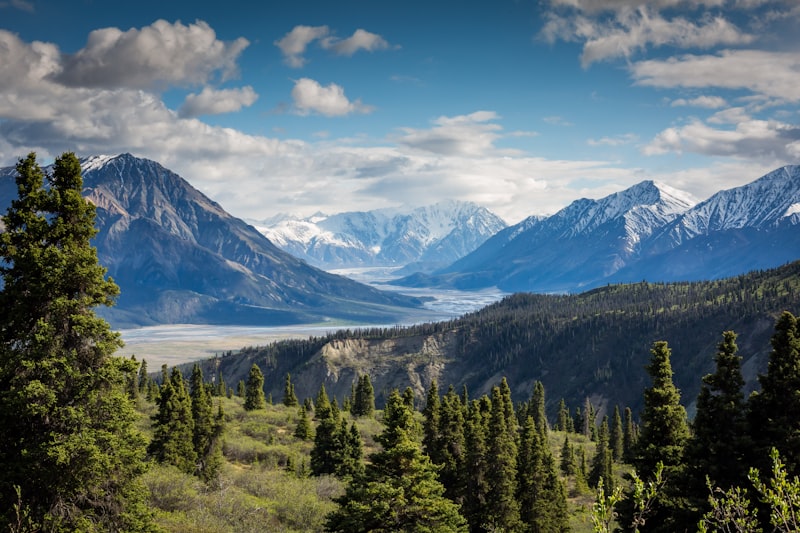
One of the strangest landscapes in South America: a genuine palm-fringed oasis lake entirely encircled by massive sand dunes rising to 100 metres on all sides. Glamping platforms on the dune crests give unobstructed 360-degree views of the dune sea, with the oasis glittering below. Dune buggy rides at sunset — careering over the crests and valleys at terrifying speed — are the defining experience, followed by sandboarding back down in the dying light. The coastal desert of the Peruvian Atacama belt is almost completely rainless; the dunes here are among the tallest outside the Sahara.
Atacama Awasi
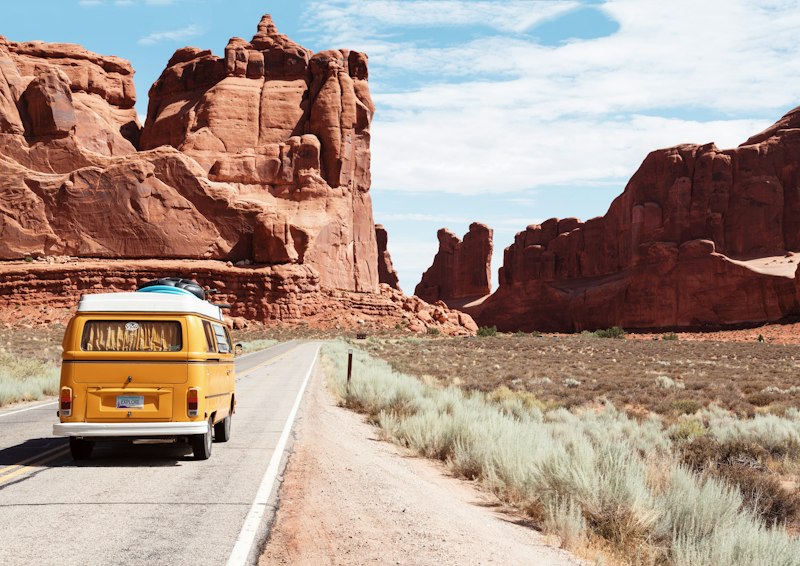
The Atacama is the driest non-polar desert on Earth — some areas have not seen rainfall in recorded history. At 2,400 metres altitude and with virtually zero light pollution, it is also home to the world's best astronomical observing. Awasi's eight private villas come with a dedicated guide and private 4x4 vehicle, giving each guest their own daily expedition to geysers erupting at dawn, flamingo-dotted salt lakes, ancient petroglyphs and the lunar valley. The ALMA Observatory is visible from the dunes at night — 66 radio telescope dishes scanning the universe from the plateau above.