🗺️ Top 1014 min readUpdated 2025
There is a particular quality of silence that only exists far from other people. Not the silence of a quiet hotel room, which is still threaded through with the background hum of civilisation — traffic, air conditioning, neighbouring guests — but a genuine, complete, almost physical absence of human noise. This is what the hotels on this list offer: a confrontation with the scale and indifference of the natural world, mediated by a bed, a meal, and varying degrees of luxury.
The criteria here are strict. These are not merely hotels in quiet countryside or on unpopulated coastlines. These are places that require special transport to reach — light aircraft, helicopter, boat, gondola — or that sit at the end of roads so long and so remote that the journey itself becomes part of the experience. They are, without exception, bookable. The extreme isolation comes with the consolation that someone has already solved the logistics.
The 10 Most Remote Hotels in the World
Ranked by remoteness, accessibility challenges and the quality of the isolation experience.
#1
📍 Uluru, Northern Territory, Australia
Longitude 131°
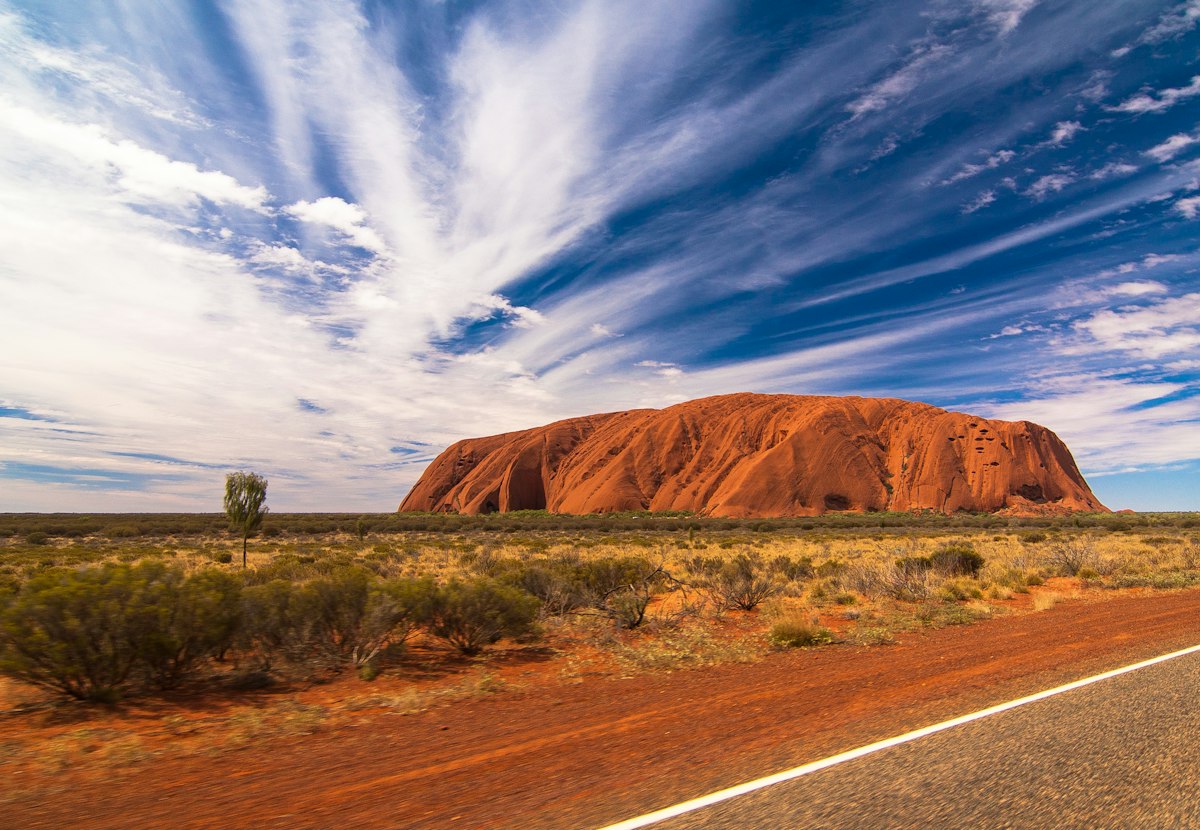
Longitude 131° sits in the red desert 450 kilometres south of Alice Springs, facing Uluru across a flat scrub plain. There are 15 tented pavilions, each elevated on timber stilts with full-length windows facing the rock. The design is precise and considered: minimal materials, maximum view, every element engineered to fade away and leave nothing but the landscape. At dawn, Uluru glows vermilion against the pale sky, and you watch it from bed.
The experience is deliberately curated. Guided walks at sunrise and sunset, Ayers Rock Resort activities, and dinners under a canopy of stars are all included. The isolation is vast — neighbouring properties are not within sight — and the silence at night, in the middle of the Australian outback, is profound. This is remote luxury at its most coherent.
#2
📍 Keystone, Colorado, USA
Alpenglow Stube at Keystone
The Alpenglow Stube at Keystone Resort, Colorado, holds a distinction that no other hotel in North America can claim: the only way to reach your dinner — and your overnight room — is by gondola in the dark, ascending to 11,444 feet above sea level. The mountain is closed to the public at night. You ride up as the slopes empty, arriving at a private alpine chalet in the silence of the high Rockies.
The dinner is a multi-course Alpine experience, after which guests retire to intimate lodging rooms with panoramic mountain views. In the morning, ski directly from the door before the lifts open. The remoteness here is vertical rather than horizontal — but the isolation at nearly 12,000 feet, with Colorado spread out below in darkness, is total. A genuinely unusual experience.
#3
📍 Fogo Island, Newfoundland, Canada
Fogo Island Inn
Fogo Island sits off the northeast coast of Newfoundland, accessible only by ferry from Farewell. The inn — a striking angular building of white-painted wood cantilevered over the rocky Atlantic coast — was built by local philanthropist Zita Cobb as a vehicle for reinvesting in a fishing community that has existed here for 400 years. It has 29 rooms, a community ownership model, and artists in permanent residence throughout the year.
The inn is one of the most intelligently considered hotels in the world: beautiful, remote, community-owned and culturally purposeful. Iceberg season (May–July) brings extraordinary spectacle as bergs drift past the shore. In winter the aurora australis occasionally appears. The food is exceptional — local fish, seal, partridgeberry — and the silence of the North Atlantic, on an island of 2,700 people in an ocean of icebergs, is genuinely otherworldly.
#4
📍 Sumba Island, Indonesia
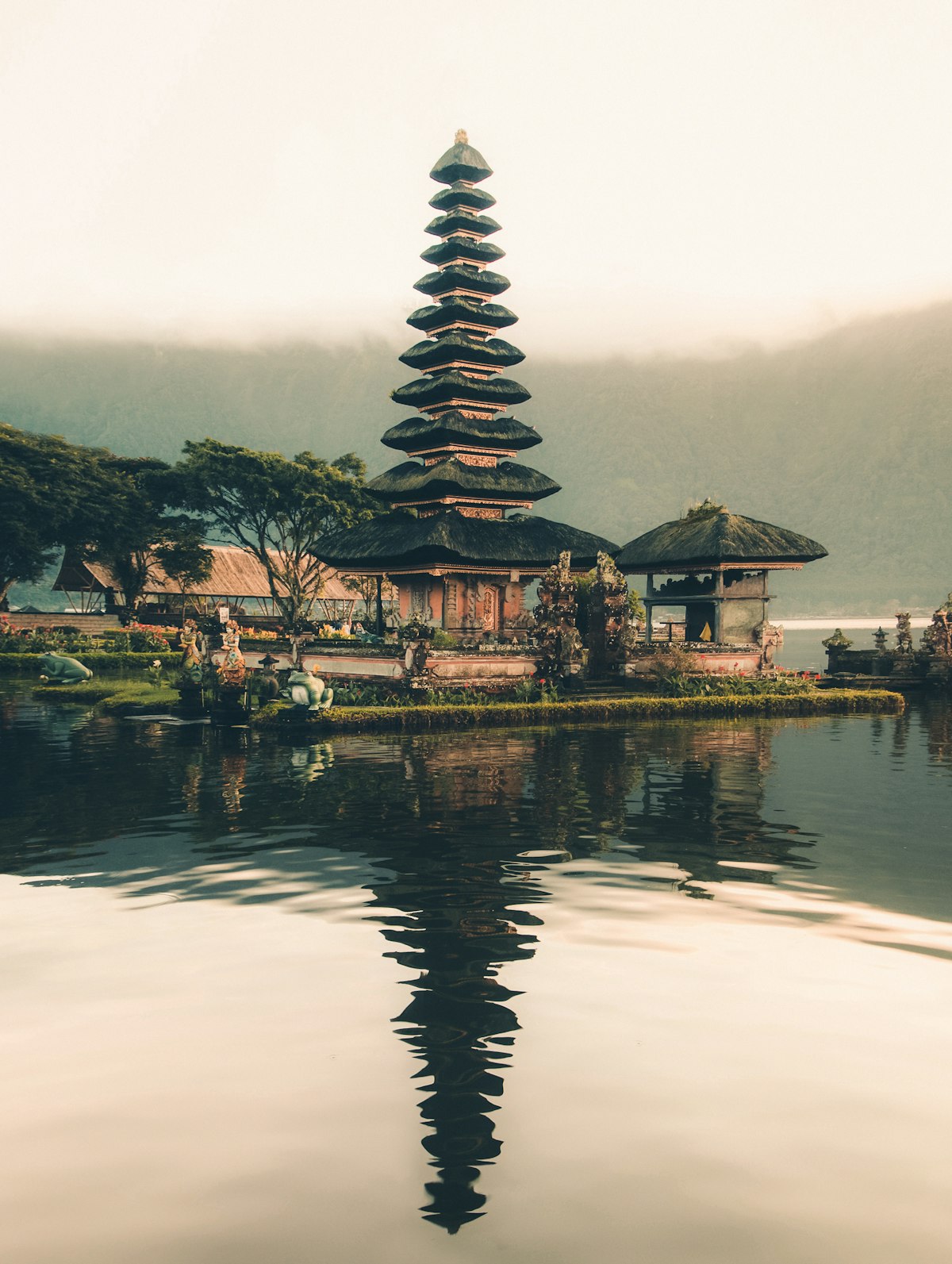
Nihiwatu Resort
Nihiwatu sits on the southwestern coast of Sumba, an island east of Bali that remains one of Indonesia's least-visited and most culturally intact. A 30-minute private charter flight from Bali deposits you in a landscape of green hills, traditional Sumbanese villages, and a coastline that has been generating world-class surf breaks in near-complete obscurity for decades. The hotel's private surf break — Occy's Left — was for years one of the world's most secret waves.
The 27 villas are spread across 567 acres of headland and beach, with significant effort directed at conservation and community development on the island. The remoteness is the entire point: you are on an island that mainstream tourism has largely not found, in a property that has earned its reputation for excellence across two decades. The combination of wilderness, surf and cultural immersion is unique.
#5
📍 Ningaloo Reef, Western Australia
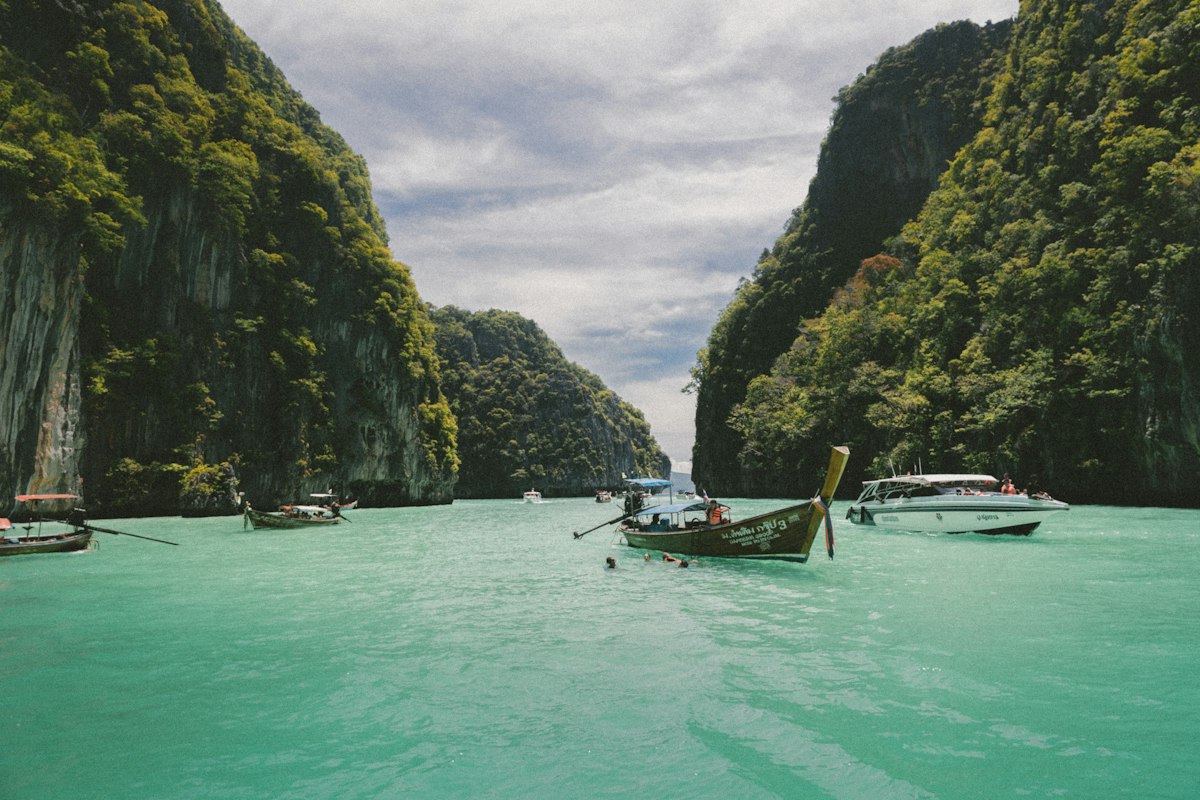
Sal Salis Ningaloo Reef
Sal Salis sits in Cape Range National Park above Ningaloo Reef — Australia's largest fringing coral reef system and one of the best places in the world to swim with whale sharks. The camp has nine safari-style tents set in spinifex-covered dunes with no road access and no connection to the power grid. Solar-powered, solar-hot-water, designed to leave as close to no trace as possible.
The reef begins metres from the beach. Whale shark season runs March to July. Between whale sharks, manta rays, humpback whales and the spectacular dune landscape of Cape Range, this is one of Australia's great wilderness accommodation experiences — at a price point significantly below the pastoral-luxury competition. The lack of electricity and road access are features, not bugs.
#6
📍 Troll Peninsula, Iceland
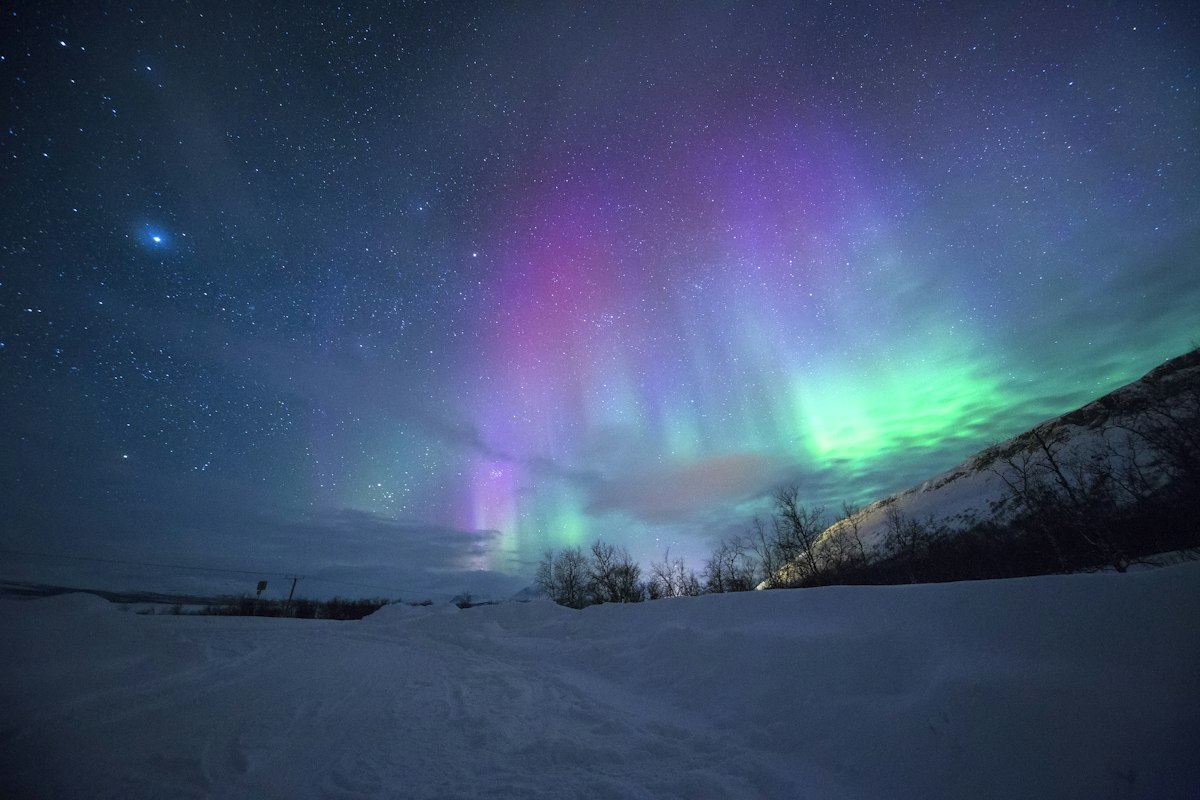
Deplar Farm
The Troll Peninsula in northern Iceland is one of Europe's most remote inhabited areas: a dramatic landscape of fjords, glaciers and 1,000-metre peaks accessible primarily by a single road from Akureyri, supplemented by helicopter in winter when the passes close. Deplar Farm occupies a converted sheep farm at the base of mountains that offer some of the finest heli-skiing terrain in the world.
Thirteen rooms in a beautifully renovated farm building, with a geothermal pool, sauna and gym that seem almost absurdly luxurious given the wilderness surrounding them. Summer offers hiking, river fishing and midnight sun kayaking; winter offers heli-skiing and Northern Lights from the hot tub. At the price point, it is one of the most compelling remote-luxury experiences in the northern hemisphere.

#7
📍 Les Cerniers, Switzerland
Whitepod
Whitepod is a collection of 15 geodesic dome pods arranged on a private ski slope above the village of Les Cerniers in the Swiss Alps. No cars reach the pods: you park at the base, and access is exclusively on foot or by ski. Each pod is a self-contained white dome with a wood-burning stove, a proper bed, and enormous windows facing the Alps. The slope is private — for guests only — and you ski in and out of your front door.
The architecture is deceptively simple — geodesic domes are structurally efficient and aesthetically striking against the snow — and the combination of utter quiet (no other guests visible, no road noise) with physical comfort (heated, well-equipped) represents a blueprint for what remote accommodation should be. Summer brings hiking and mountain biking; the pods remain extraordinary in any season.

#8
📍 North Island, Seychelles
North Island, Seychelles
North Island is a private island in the Seychelles inner islands group, accessible only by a 45-minute charter flight from Mahé. It accommodates precisely 22 guests at full capacity across 11 villas — meaning the island, at any given time, belongs almost entirely to you. The beaches are nesting grounds for hawksbill and green sea turtles. Giant tortoises roam the pathways between villas. The coral reef surrounding the island is in active restoration.
This is the definitive private-island experience: a place where the entire objective is to provide an extraordinarily beautiful natural environment with complete privacy and absolute comfort. The Seychelles granite boulders, the blindingly white beaches, the warm Indian Ocean — all of it is yours, interrupted only by the occasional turtle crawling past your villa at night. The price reflects the extraordinary.

#9
📍 Skeleton Coast, Namibia
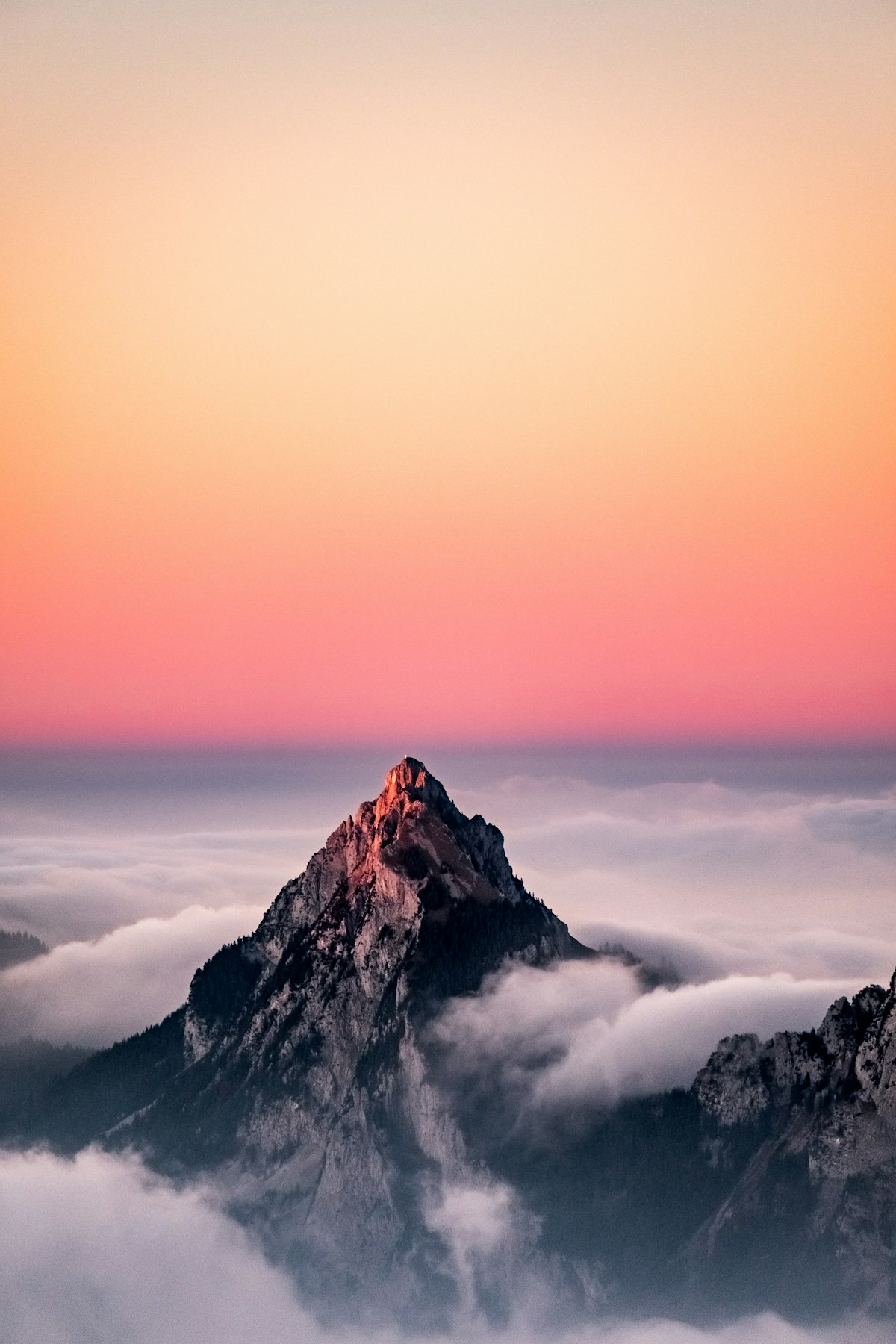
Hoanib Skeleton Coast Camp
The Skeleton Coast is one of the most inhospitable coastlines on earth: a fog-shrouded desert of shifting sand dunes where the Namib meets the cold Benguela Current, littered with shipwrecks and the bones of whales. It is also, paradoxically, home to desert-adapted lions and elephants that have developed remarkable behaviours to survive in conditions that should not support large mammals at all.
Hoanib Skeleton Coast Camp sits in the Hoanib River floodplain, accessible only by light aircraft. The camp has six tented rooms and focuses entirely on wildlife tracking — the guides here are among the best in Africa, and a sighting of the desert lions on a foggy morning, walking the dry riverbed in the silence of the Namibian desert, is one of the most extraordinary wildlife experiences available anywhere.
#10
📍 Dana Biosphere Reserve, Jordan
Las Terrazas de Dana
Las Terrazas de Dana occupies the ancient stone village of Dana, which clings to a cliff edge above the vast Wadi Dana canyon in Jordan's Dana Biosphere Reserve. The only way in is on foot — a mule trail descends from the road above — and the village of Ottoman-era stone houses has been preserved almost unchanged for centuries. The reserve itself is Jordan's largest and most biodiverse protected area, spanning four different climate zones from the mountains to the Wadi Araba desert.
At $100/night, this is the most affordable entry on this list — and arguably the most characterful. The stone rooms are simple, the views are staggering, the silence is absolute and the hiking from the door is world-class. The Rummana Campsite and the trails to Wadi Feynan are among the finest long-distance walks in the Middle East. This is a reminder that remoteness does not require a large budget.
Quick Comparison
| Hotel |
Country |
Access |
From/Night |
Best For |
| Longitude 131° |
Australia |
4WD, 450km drive |
$1,500 |
Uluru sunrises |
| Fogo Island Inn |
Canada |
Ferry, then road |
$1,200 |
Icebergs, culture |
| Nihiwatu |
Indonesia |
Private charter |
$1,800 |
Surf, culture |
| Deplar Farm |
Iceland |
Helicopter (winter) |
$2,000 |
Heli-skiing |
| North Island |
Seychelles |
45-min charter |
$3,500 |
Private island |
| Hoanib Skeleton Coast |
Namibia |
Light aircraft only |
$2,500 |
Desert wildlife |
| Las Terrazas de Dana |
Jordan |
Mule trail on foot |
$100 |
Budget remote |
Frequently Asked Questions
Do remote hotels have reliable Wi-Fi?
Variable — and deliberately so. Properties like Fogo Island and North Island have connectivity, used sparingly. Others like Sal Salis and Hoanib have satellite internet for emergencies but actively discourage use. Many guests cite the enforced disconnection as the best part of the experience. Check with individual properties before booking if connectivity is essential.
Are remote hotels safe in a medical emergency?
All serious remote properties have emergency protocols, satellite communication and medical first-responder trained staff. Evacuation plans — typically by helicopter or aircraft — are standard. The risk is not zero, but reputable properties handle this professionally. Check the evacuation procedure during the booking process if you have specific medical concerns.
Which is the best value remote hotel?
Las Terrazas de Dana (from $100/night) offers the most dramatic remoteness-to-cost ratio on this list. For mid-range, Sal Salis Ningaloo Reef (from $600/night) is exceptional value for a camp directly above a world-class coral reef. Whitepod (also from $600/night) is outstanding for a European winter experience.
How far in advance do I need to book?
Six to twelve months in advance for peak season at most of these properties. North Island, Longitude 131° and Nihiwatu are particularly in demand and often fully booked a year out. Fogo Island Inn releases a portion of rooms 12 months in advance to the day — set a reminder. The more remote and exclusive the property, the earlier you need to move.